The Short Hair Revolution of the 1920s
In the 1920s, something big happened with women’s hair. It got short. Really short. After years of long, heavy locks piled up or cascading down, a lot of women simply chopped it off. The bob became the look of the decade, and it wasn’t just about fashion. It was a statement.
Why Short Hair Took Over
The First World War had changed things. Many women worked in factories and offices while the men were away. Long hair was impractical. After the war, the mood shifted toward freedom, nightlife, jazz, and a new kind of independence. The “flapper” image—young women who smoked, danced, and drove cars—needed a hairstyle that matched the energy. Short hair was easier to manage, looked modern, and showed off the neck and face in a way long styles never did.
By the mid-1920s, the bob was everywhere. Magazines, movies, and society columns all featured it. Older generations often hated it. Some called it unfeminine or even shocking. That only made younger women love it more.
The Main Styles
Not every short cut looked the same. A few versions stood out:
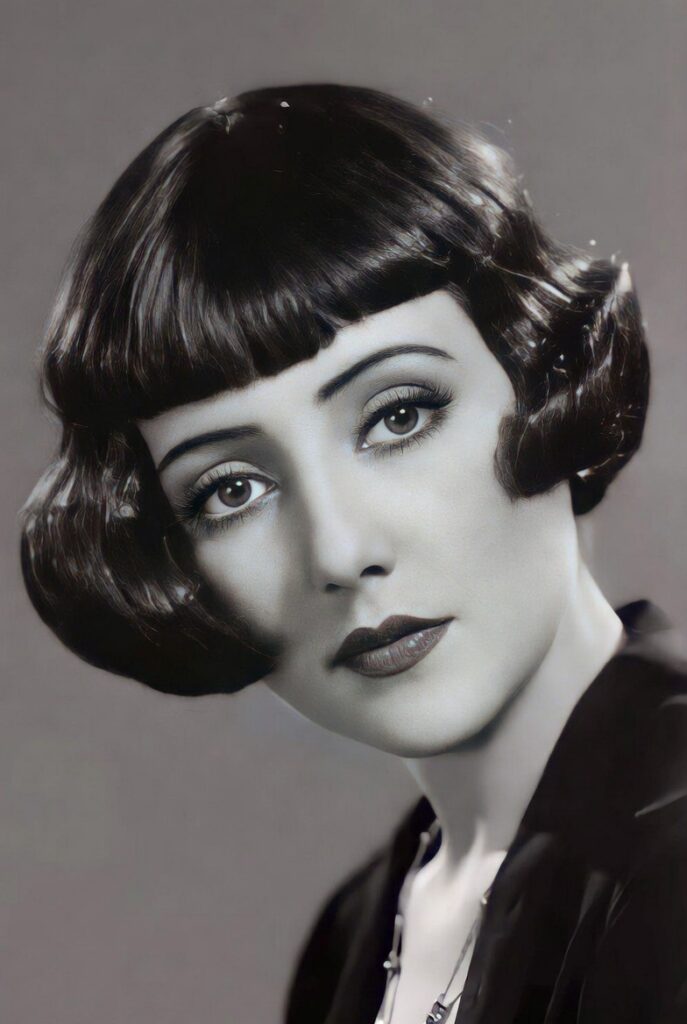
- The classic bob: Hair cut straight around the head, usually at jaw or chin length. Simple, clean, and bold. Louise Brooks made the sleek, severe version famous with her sharp fringe and glossy black hair.
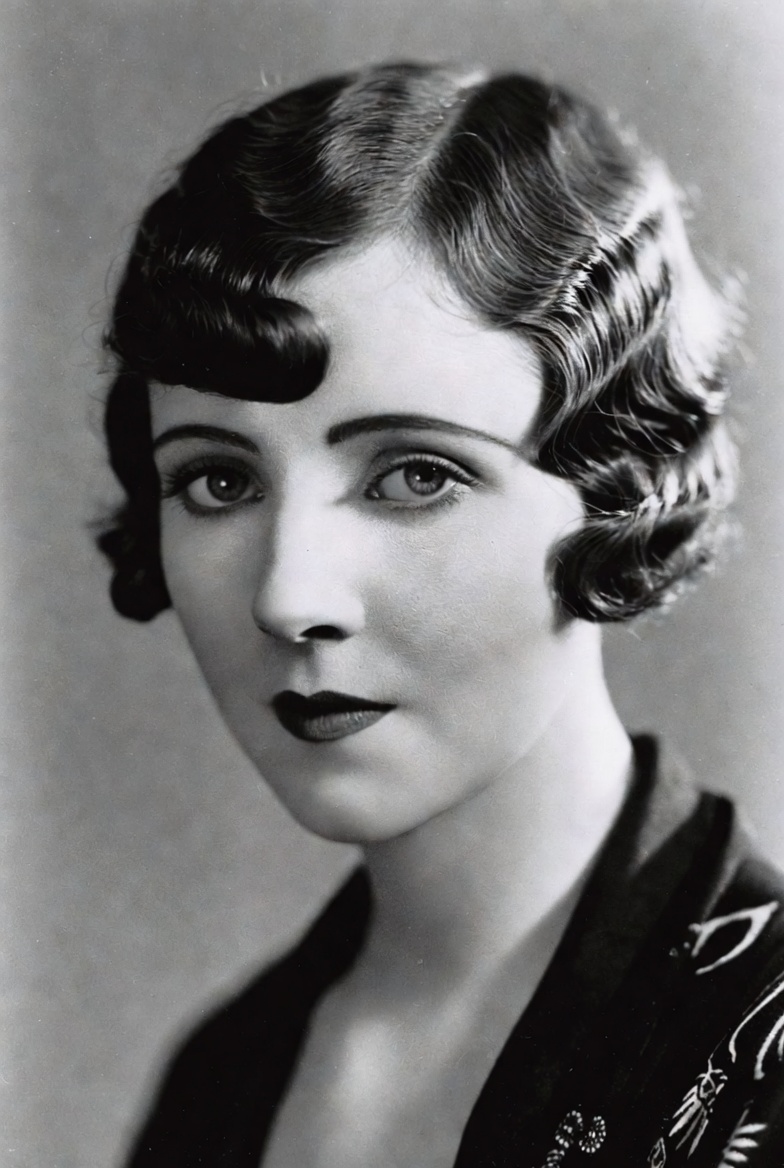
- The shingle bob: Shorter at the back, with the nape of the neck tapered or “shingled.” It hugged the head more closely and often included soft waves or curls around the face.
- The Eton crop: Even shorter, almost boyish. Hair was cut very close, sometimes with a side part. It was extreme for the time and not as common, but it made a strong statement.
Many women added Marcel waves—deep, S-shaped waves created with heated irons. These waves gave short hair softness and movement instead of a severe look. Finger waves, set with lotion and combed into place, were another popular finish, especially for evening.
How Women Wore It
Short hair worked with the fashion of the day. Cloche hats sat perfectly over a bob. Drop-waist dresses and long strands of pearls looked better with a clean neckline. Actresses like Clara Bow, Colleen Moore, and Josephine Baker helped spread the look through films and performances. In real life, ordinary women went to the barber or a new kind of women’s salon and asked for the same cuts.
Maintenance was different from long hair. Many used setting lotions, pins, and nets at night to keep the waves in place. Some dyed their hair darker or lighter to make the cut stand out more. The overall effect was polished but free.
The Bigger Picture
Short hair in the 1920s was tied to bigger changes. Women had just gained the vote in several countries. They were entering more public spaces. Cutting their hair was one visible way of saying the old rules no longer applied. Of course, not every woman cut her hair. Plenty still kept it long. But the short styles became the face of the decade, the image we still associate with the Jazz Age whenever we see photos or films from that time.
Today the 1920s bob still shows up on runways and red carpets. It looks modern because it was never just a trend—it was a clean break from the past. Simple, direct, and hard to ignore.